
Choosing flowers for a funeral is one of those small decisions that can feel unexpectedly heavy. You want to get it right — to send something that means something, rather than a generic arrangement that says nothing about the person who's gone or the feelings you're trying to express. Colour is a large part of that.
This guide covers what every major flower colour means in the context of UK funerals, what to choose depending on your relationship with the deceased, and how to navigate the cultural and religious differences that affect these choices in a country as varied as Britain.

Quick Reference: Funeral Flower Colours and Their Meanings
⬜ White
Purity, peace, innocence, sympathy
🔴 Red
Love, deep respect, grief, courage
🌸 Pink
Gentleness, grace, admiration, affection
🌼 Yellow
Friendship, warmth, remembrance
💜 Purple
Dignity, spirituality, deep respect
🟠 Orange
Warmth, energy, celebration of life
🔵 Blue
Serenity, loyalty, eternal peace
🌿 Green
Life, renewal, hope, resilience
White: The Colour of UK Funerals
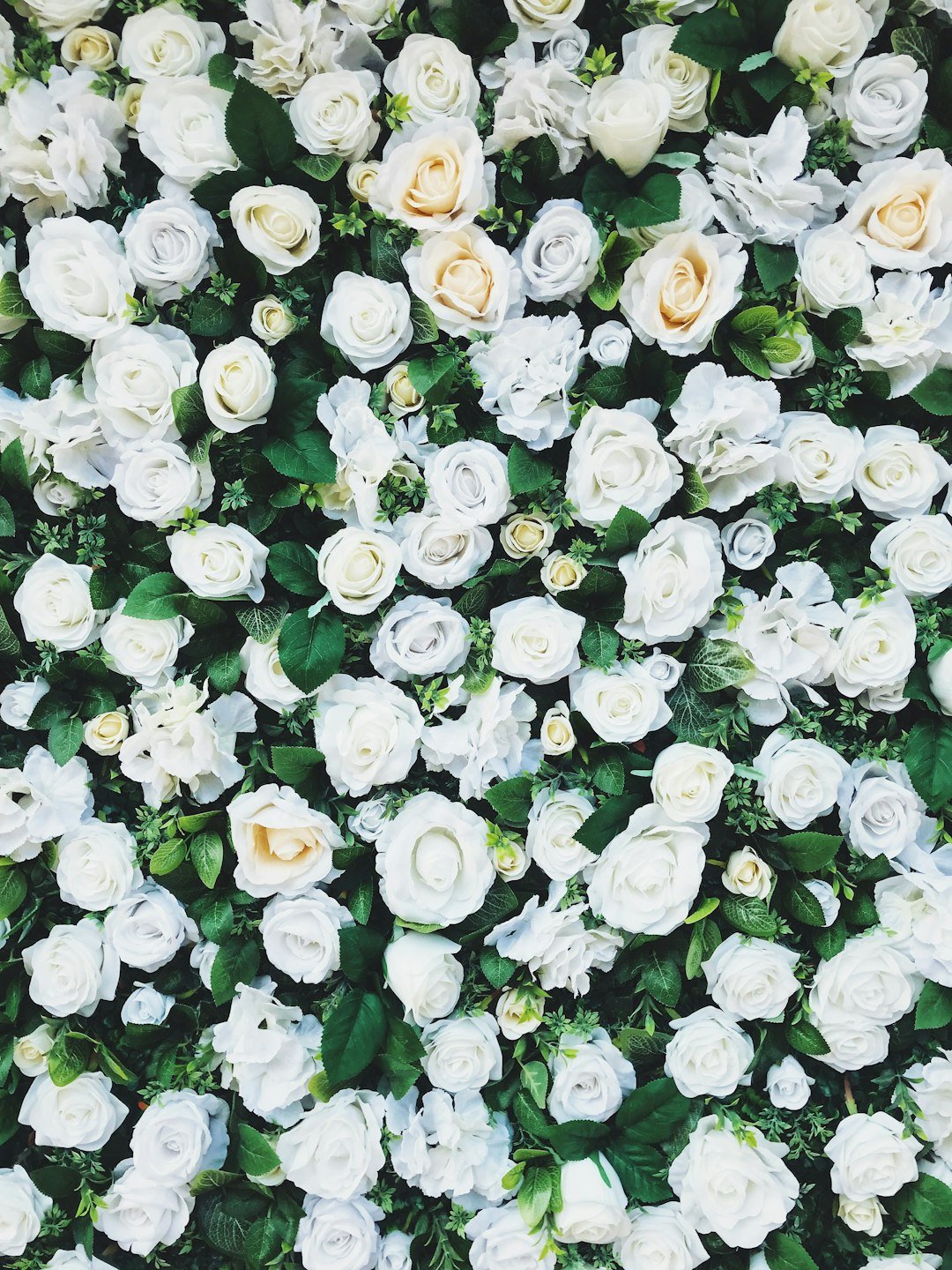
White is by far the most common funeral flower colour in Britain, and it carries more meaning than people often realise. Historically, white represented purity and the innocence of the soul departing this life. In Christianity — the dominant tradition in UK funeral culture — white also signals the passage to a better place: not an ending, but a beginning. This is why white lilies in particular have become synonymous with funerals.
The most popular white funeral flowers in the UK are:
- White lilies — the most traditional UK funeral flower, symbolising the restored innocence of the soul
- White roses — purity combined with love; appropriate for anyone, any relationship
- White chrysanthemums — common in tributes and wreaths; a symbol of grief in many European countries
- White carnations — pure love and remembrance; widely used in funeral sprays
- White freesias — innocence and thoughtfulness, with a delicate fragrance
White flowers are appropriate for any funeral relationship — they're never wrong, never too much, and never too little. If you're uncertain, white is the right choice.
Red: The Colour of Deep Love
Red at a funeral might seem counterintuitive — we associate it with passion, celebration, Christmas — but red funeral flowers carry profound meaning. Red says: this person was deeply loved. They're most appropriate when you're mourning someone with whom you had a close, loving relationship: a partner, a parent, an adult child.
Deep red roses are the most common choice. A single stem or a small posy of deep red roses from a partner is one of the most moving tributes at a funeral. Red carnations speak of deep admiration. Red tulips signal perfect love.
A note on shade: deep, rich reds carry the most weight. Brighter reds can read as celebratory or energetic rather than mournful — not necessarily wrong, but worth being aware of.
Pink: Gentleness and Grace
Pink sits between the formality of white and the intensity of red. It speaks of gentleness, grace, affection, and admiration — making it particularly fitting for funerals of women, young people, or anyone whose character was gentle and warm. Pink also carries a quiet joy that suits "celebration of life" services rather than purely formal affairs.
Light pink signals admiration and remembrance. Deeper pinks express gratitude and appreciation. Pink roses say "you were loved for exactly who you were." Pink lilies soften the traditional funeral arrangement into something warmer.
Pink flowers are also a popular choice when you knew the person but weren't in their innermost circle — a colleague, a neighbour, a friend's parent. They're affectionate without overreaching.
Yellow: Friendship and Sunlight
Yellow is the colour of friendship, warmth, and positive remembrance. It's appropriate when you're mourning a friend — someone who brought sunshine into your life — or when you want to celebrate a life rather than only mourn a death.
Yellow is one of the most debated funeral colours. In some cultures and some families, yellow feels too bright, too cheerful, too much like a mistake. In others — particularly for funerals with a "celebration of life" theme, or for someone who was known for their joy and warmth — yellow feels exactly right. Know your audience.
Yellow daffodils in spring have particular resonance in the UK, often linked to hope and renewal after winter. Yellow sunflowers suggest a life that turned always toward the light. Yellow freesias speak of innocent friendship.
Purple: Dignity, Respect, and Spiritual Meaning
Purple has been associated with royalty, dignity, and spiritual significance for centuries. At funerals, purple speaks of deep respect for the person who has gone — it says you recognised their worth, their wisdom, their significance. It's often chosen for funerals of older people who lived long, full lives.
Lavender — a softer purple — adds a note of grace and refinement. It's particularly beautiful in mixed arrangements and conveys a quiet, understated respect rather than the more intense deeper purples.
Purple also carries spiritual weight across many traditions. In some Christian contexts, purple represents penitence and mourning (it's the colour of Lent). In spiritual and non-religious services, it can suggest a connection to something beyond the material world.


Orange: A Celebration of a Life Lived Fully
Orange is the boldest choice at a funeral, and the right one for someone who was bold themselves. It speaks of warmth, enthusiasm, the full-throttle joy of a life lived without apology. If the person you're mourning was vivid, energetic, passionate — if their personality filled every room they walked into — orange honours that truth.
It's not a traditional choice, and it won't suit every funeral or every family. But for "celebration of life" events, for funerals of people who specifically requested colour over convention, or for someone whose favourite colour was orange, it can be deeply right.
Blue: Serenity and Eternal Peace
True blue is rare in fresh flowers — blue roses don't exist naturally, and blue hydrangeas tend toward lavender. But blue flowers do exist: delphiniums, forget-me-nots, agapanthus, and scabiosa all offer genuine blue.
Blue carries meanings of serenity, loyalty, and the eternal. It suggests the still surface of water, a clear sky, the constancy of someone who was always there. Forget-me-nots in particular carry an explicit message — one of the most poignant choices for any tribute.
Blue is also used in memorial tributes for those who served — police, military, NHS — where it connects to their uniform and their identity.
Green: Life, Renewal, and Hope
Most people think of green as simply foliage — the backdrop to the flowers. But green is a meaningful colour in its own right at funerals. It represents the cycle of life, the renewal of nature, the resilience that continues after loss. Arrangements that prominently feature foliage — eucalyptus, ferns, trailing ivy — lean into this symbolism consciously or not.
Green is particularly resonant at funerals for those with a deep connection to nature, the outdoors, or gardening. It says: this life was part of something larger, and that larger thing continues.
What to Choose for Different Relationships
Partner or spouse
Deep red roses, or white if that's what they would have wanted. Red says "I loved you" in a way nothing else does. A single stem can be more powerful than an arrangement.
Parent
White lilies or white roses for a formal tribute. Pink if they were gentle and warm. Purple if you want to express deep respect for a life fully lived. Any colour that was their favourite.
Child or young person
White is traditional but can feel cold for a young life. Soft pinks, warm yellows, and mixed pastels are often chosen instead — something that reflects the innocence and colour of a young life. Their favourite colour is always appropriate.
Close friend
Yellow for a joyful friendship. Pink for warmth and affection. Their favourite flower and colour if you knew it. Something personal over something traditional.
Colleague or acquaintance
White or mixed arrangements are always appropriate and never overreach. They express respect and sympathy without implying a closer relationship than existed.
When you're not sure
White. It is never wrong, never inappropriate, and never says the wrong thing. White flowers sent with care and kindness will always be welcome.
Cultural and Religious Differences in the UK
Britain's multicultural character means that funeral flower traditions vary significantly depending on the family's background and faith. It's worth being aware of these differences before sending flowers to a service.
Christian (Church of England / Catholic): White is traditional and dominant. Lilies, roses, chrysanthemums. Wreaths and formal sprays are common. Flowers are generally welcome.
Jewish: Flowers are not traditionally sent to Jewish funerals — the focus is on food, charitable donations, and sitting shiva with the family. Check before sending.
Muslim: Flowers are not a traditional part of Islamic funeral rites. Some Muslim families in the UK have adopted the British tradition, but it's safest to check with the family first.
Hindu: Marigolds (typically orange and yellow) are the most significant flower in Hindu funeral tradition — they're considered sacred and purifying. White flowers are also appropriate. Avoid red, which is associated with weddings and celebration.
Buddhist: White and yellow flowers are traditional. Lotus flowers carry deep spiritual significance. Simple, natural arrangements are preferred over elaborate formal displays.
Sikh: Flowers are welcomed. White and yellow are most traditional. Avoid elaborate arrangements — simplicity is valued.
When in doubt, contact the funeral home. They know the family's preferences and will tell you whether flowers are appropriate and, if so, what's most suitable.
The Flowers Themselves Also Carry Meaning
Colour is one layer of meaning; the flower type is another. A few significant combinations to know:
- White lily — the quintessential UK funeral flower. Purity, restored innocence, the transition of the soul.
- Red rose — love, in its most direct expression.
- Forget-me-not (blue) — "do not forget me." One of the most poignant single flowers you can include.
- Chrysanthemum — in the UK and much of Europe, a flower of mourning. In China, Japan, and Korea, it carries the same association. In some Mediterranean countries, it's used almost exclusively for funerals.
- Carnation (white) — pure love and remembrance; widely used in British funeral sprays.
- Daffodil (yellow) — in the UK, strongly associated with spring, hope, and Cancer Research UK; a touching choice if the person died of cancer.
- Poppy (red) — remembrance, particularly for those who served in the military.
Preserving the Colours After the Funeral
The flowers from a funeral don't have to be lost when the service ends. One of the quieter grief experiences many families describe is watching the funeral flowers wilt and having to throw them away — a second small loss on top of the larger one.
Professional resin preservation captures the flowers, their colours, and their meaning in a piece that will last for decades. The actual petals, with their actual colours, suspended in crystal-clear resin — a paperweight, a robin, a heart, or a shadow box that sits in your home and carries the day with it.
The drying process involved in resin preservation does slightly shift colours — whites may warm to cream, deep reds may deepen — but the result is a faithful, lasting representation of the flowers as they were. You can see our full memorial flower preservation collection here.
Frequently Asked Questions
Are there colours you should avoid at a funeral?
In the UK, there are no strictly forbidden colours. Bright, vivid multicolour arrangements can seem out of place at a very formal traditional service, but even this is changing as "celebration of life" events become more common. If the family has specifically requested no flowers, respect that. Otherwise, follow the guidelines above and you won't go wrong.
Is it always appropriate to send flowers to a funeral?
Not always. Some families specifically request "no flowers" and ask for charitable donations instead — always respect this. For Jewish and Muslim funerals, flowers are often not traditional. When in doubt, check with the funeral director.
Should sympathy flowers match the funeral flowers?
Sympathy flowers sent to the bereaved family's home don't need to match what's at the service. They're a separate gesture of comfort, sent in the days after the funeral, and should reflect your relationship with the family rather than the formality of the service.
Can I use the deceased's favourite colour even if it's unusual?
Absolutely. Their favourite colour, or the colour of their favourite flower, is one of the most personal and meaningful choices you can make. A bright orange arrangement for someone who loved orange, or blue delphiniums for someone who loved blue, says far more than a generic white lily tribute.
Can funeral flowers be preserved afterwards?
Yes. Professional resin preservation can capture the actual flowers — colours, petals, and all — in a lasting keepsake. Flowers should ideally be sent within 5–7 days. See our memorial flower preservation service for details.
Keep the Flowers After the Funeral
If you have flowers from a loved one's funeral — or if you'd like to give the bereaved family a lasting memorial — we preserve real funeral flowers in handcrafted resin keepsakes. UK-wide by post, from £85.