
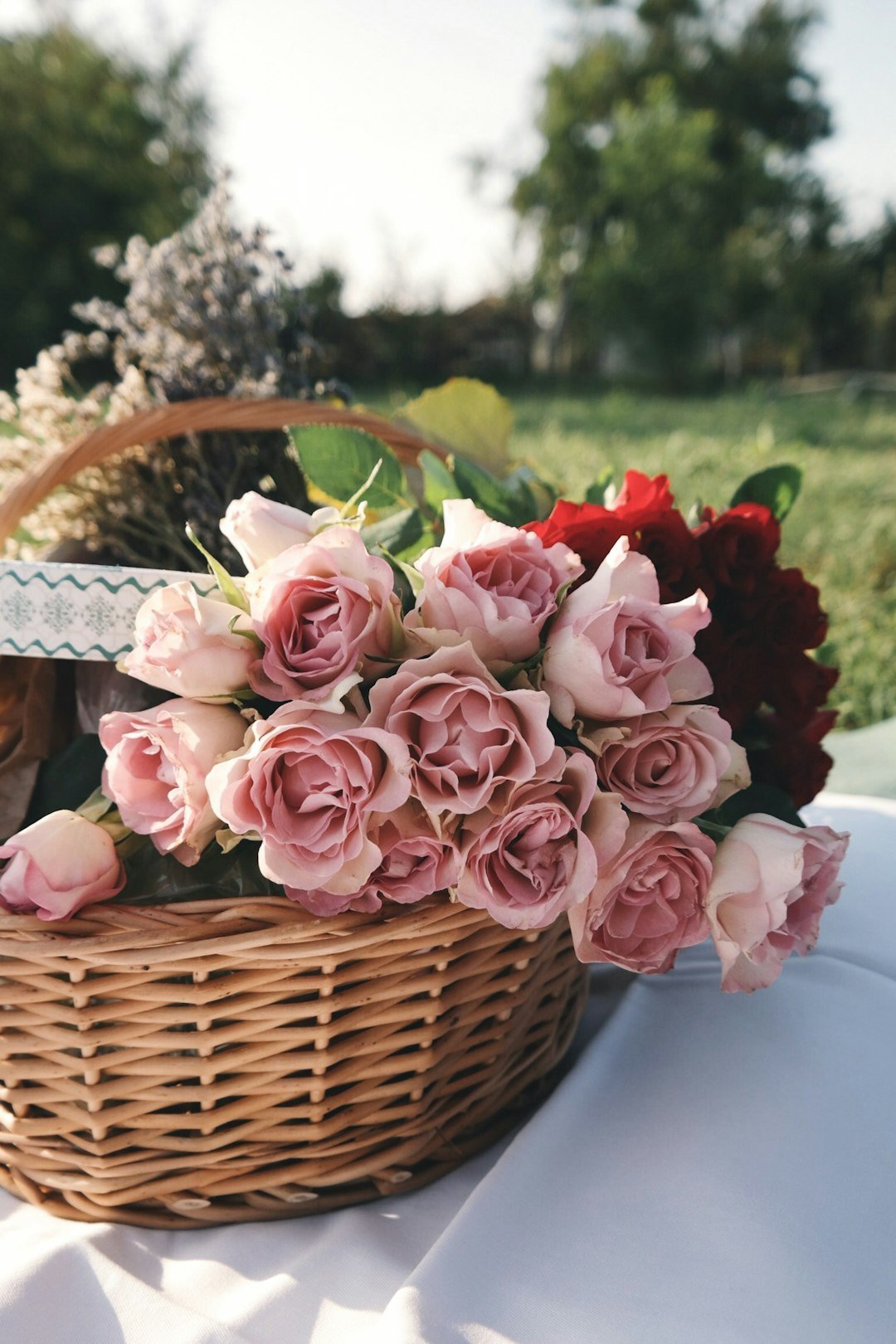
Funeral flowers are strange objects to be left with. They were chosen carefully, or given by people who cared, and they were present at one of the most significant moments of your life. And now they're sitting in your home, starting to fade, and you're not sure what to do with them.
This is a more common feeling than most people realise. You don't have to do anything in particular with funeral flowers — but if you want to, there are options that range from free and immediate to lasting and professional. Here are eight of the most meaningful.
Act within the first week if you want to preserve them
Most preservation methods — professional and DIY — work best when the flowers still have some moisture and structural integrity. Ideally act within 5–7 days of the funeral. If that window has passed, don't assume it's too late: contact a preservation studio with photos and they'll tell you honestly what's still possible.
1. Have Them Professionally Preserved in Resin
This is the option that turns funeral flowers into something you'll still have in twenty years. Professional resin preservation involves carefully drying each flower and casting it into crystal-clear, UV-resistant resin — a solid, robust piece that can sit on a shelf, be picked up and held, and looks as good in four decades as it does today.
The range of what can be made is wide: a small resin heart from £10, a paperweight sphere, a robin keepsake (beloved in the UK for its bereavement symbolism), a photo frame, a cross, or a statement shadow box. For families where multiple people want a piece — siblings, parents, grandchildren — the flowers from a single funeral can often yield enough material for several keepsakes.


Professional preservation works entirely by post across the UK — you pack the flowers carefully, send them via Royal Mail Tracked, and the studio handles everything from there. You receive progress photos before anything is finalised. Our full funeral flower preservation collection is here, with prices and examples of each keepsake type.
Best for: Anyone who wants something lasting — a proper heirloom rather than a fading arrangement. Particularly meaningful when multiple family members would benefit from their own piece.
2. Press and Frame Them
Pressing is the oldest form of flower preservation and still one of the most beautiful. Flowers laid flat between absorbent paper and pressed under weight for three to four weeks will dry into delicate, papery versions of themselves that can be framed under glass or used to create artwork.
DIY pressing is free but difficult to do well — arranging pressed flowers into a visually pleasing composition is genuinely skilled work, and home results often look amateurish compared to professional pressing. If the flowers matter, professional pressed flower framing (from around £250) produces results that bear keeping for ten to twenty years.
The limitation is that pressing is two-dimensional — the three-dimensional beauty of a rose or peony is lost. What you get is more like a botanical illustration than the flower itself.
Best for: People who want a wall display and are comfortable with a flat, art-style tribute rather than a sculptural keepsake.
3. Donate Them to a Hospital, Hospice, or Care Home
This is one of the most generous things you can do with funeral flowers, and it's underused. Hospitals, hospices, and care homes are often not allowed to receive flowers for infection control reasons in general wards, but many have chapels, family rooms, or specific areas where fresh flowers are welcome.
A call to the local hospital or hospice before showing up is essential — they'll tell you what they can accept and where. Many hospices actively welcome donations of fresh flowers for patients who have few visitors or whose families can't afford to bring them regularly.
There's something quietly right about sending flowers that witnessed a death to a place where they might comfort someone else who's dying. It's not for everyone, but for some people it's the most meaningful possible use.
Best for: People who find comfort in channelling loss into something that helps others, particularly those with a connection to hospice or end-of-life care.
4. Plant the Flowers, or Their Seeds
Some funeral flowers can be planted in a garden or a pot as a living tribute. This isn't as straightforward as it sounds — cut flowers that have been in a vase can rarely be rooted — but some options do work:
- Bulb flowers (tulips, daffodils, hyacinths) won't replant from a cut stem, but buying bulbs of the same variety in autumn and planting them creates an annual return of the same flower. A small ritual.
- Lavender stems can sometimes root if cut at the right point and placed in water or potting compost.
- Rose cuttings can occasionally take root, though success rate is modest.
- Collecting seeds from dried flowers and planting them the following spring — gypsophila, cornflowers, and sweet peas are all possible candidates.
Even if the specific flowers can't be planted, placing a garden plant — a rose bush, a lavender hedge, a tree — in memory of someone is a meaningful alternative that will outlast any cut flower by decades.
Best for: Gardeners, or families who want a living, growing memorial rather than a preserved static one.
5. Dry Them Naturally and Keep Them
Air drying is free and easy: tie the stems together, hang upside down in a dark, well-ventilated room, and leave for two to four weeks. The result is a dried bouquet that retains something of its original form, though flowers will shrink and colours will mute.
Be honest with yourself about what you'll do with dried flowers. If you'll display them somewhere you actually see them — on a mantel, in a vase in the bedroom — air drying is a perfectly worthwhile choice. If they'll end up in a box in a cupboard, it might not be the most meaningful option.
Air-dried flowers typically look good for one to three years before deteriorating noticeably. They're fragile, they shed, and they're sensitive to humidity. For that reason they're better thought of as a medium-term memorial rather than a permanent one.
Best for: People who want an immediate, cost-free option and are realistic about a one-to-three-year lifespan.


6. Send Petals to People Who Couldn't Attend
This is a quiet and deeply thoughtful gesture that many people haven't considered. If there were family members or close friends who couldn't attend the funeral — perhaps because they live abroad, or were too unwell to travel, or because the service was small — sending them a few dried petals from the flowers can mean an enormous amount.
A small envelope containing pressed petals, a handwritten note, and perhaps a photograph from the day creates a connection between someone who was there and someone who couldn't be. It costs almost nothing and often means more than an expensive shop-bought card.
Best for: Families who had remote or absent loved ones, and who want to extend the circle of remembrance beyond those who were physically present.
7. Create a Simple Memory Box
A memory box is a container — a shoebox, a keepsake box, a wooden chest — that holds objects from a person's life alongside dried flowers from their funeral. The funeral order of service, a photograph, a letter they wrote, a small possession. The flowers, dried and placed carefully among everything else.
A memory box doesn't need to be elaborate or crafted. Its value is entirely in what it holds and what it means to the person who keeps it. It can stay private or be shared. It can be added to over time. It's a way of keeping someone's story together in one place.
Best for: People who process grief through holding and handling objects, and who want a private, personal tribute rather than a displayed one.
8. Let Them Go
This is worth saying, because not everyone wants to feel obligated to do something with funeral flowers. Sometimes the right thing — the honest thing — is to let them complete their natural course and then let them go.
Flowers die. That's part of what makes them appropriate for funerals — their beauty is temporary, like the people we're mourning. There's nothing wrong with watching the funeral flowers fade, feeling the grief of that second small loss, and then releasing them. Some people find that more honest than trying to preserve something that was always going to end.
If letting go feels right to you, that's a complete and legitimate choice. You don't need to justify it.
Best for: People who find more peace in acceptance than in preservation, and who don't feel a strong pull toward keeping physical objects.
Frequently Asked Questions
How quickly do I need to decide what to do with funeral flowers?
For professional preservation, aim for within 5–7 days while the flowers still have structure. For DIY air drying or pressing, start within 2–3 days. For donating to a hospital or hospice, fresh is better — call ahead before the flowers have been in a vase for more than a day or two.
Can I preserve just some of the flowers rather than all of them?
Absolutely. You don't need to preserve an entire arrangement. Many people choose to keep a single meaningful bloom — the rose their partner placed on the coffin, or a particular flower the deceased loved — while letting the rest go. Selective preservation is often more meaningful than trying to preserve everything.
The flowers are already past their best — is it too late?
Not necessarily. If the flowers have been air drying naturally, they can often still be preserved in resin — the result has a more vintage quality than fresh preservation, but can still be beautiful. Send a photo to a preservation studio and they'll give you an honest assessment.
Can different family members each have a piece from the same flowers?
Yes, and this is one of the most thoughtful uses of funeral flowers. A single bouquet can often yield enough material for a paperweight, two small hearts, and a robin — giving several family members their own individual keepsake from the same flowers that were there on the day.
Is professional preservation very expensive?
Entry-level pieces start from £10 (small resin hearts). A paperweight sphere is £85. A shadow box — the most involved piece — starts from £300. Most families find a middle option in the £85–£150 range that gives them something meaningful without the cost of a full statement piece. See our full collection with prices here.
Can I preserve flowers from a wedding as well as a funeral?
Yes — the same process applies to both. We preserve wedding and memorial flowers with equal care. See our wedding flower preservation collection if that's what you're looking for.
Preserve the Flowers Professionally
If you'd like your funeral flowers preserved in a handcrafted resin keepsake, we offer a UK-wide postal service. Every piece is made by our artisan Julie, and you'll receive progress photos throughout. From £10 for a small heart, from £85 for a paperweight.